
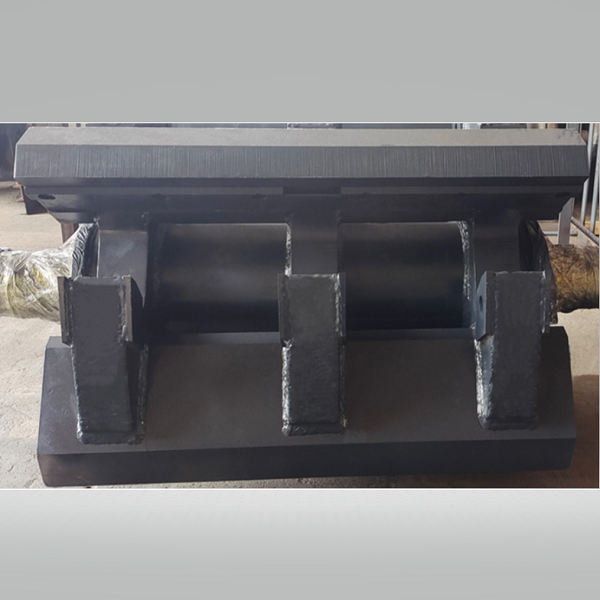
In the world of heavy machinery and crushing equipment, the reliability and longevity of components such as swing jaw plates are crucial for operational efficiency and cost-effectiveness. Recognizing these needs, leading manufacturers in the swing jaw plate industry have been pushing forward with innovations in materials and design to provide more durable and tailored solutions for their customers.
One key player in this space is a prominent machine manufacturing company specializing in wear-resistant materials and components. With a comprehensive portfolio that includes standard manganese steel (Mn Steel), high-chromium iron (Hi-Cr Iron), alloy steel, carbon steel, and advanced customized materials, the company is setting new standards in the production of swing jaw plates.
### Tailored Wearing Solutions for Extended Service Life
Traditional jaw plates, often manufactured from standard Mn Steel, have served the industry well due to manganese steel's excellent work-hardening properties. However, as the demand for higher performance and longer service life rises, these standard materials sometimes fall short in exceptionally abrasive or high-impact environments. Recognizing these challenges, the company offers advanced material options that deliver enhanced wear resistance and durability.
Among the advanced solutions provided are the specially tailored wearing materials such as Titanium Carbide (TiC), Ceramic, and Chromium (Cr) inserted alloys. These materials are engineered to significantly extend the life span of jaw plates used in crushing applications.
- **Titanium Carbide (TiC) Inserted Alloys**: TiC is known for its extreme hardness and resistance to abrasion. By embedding TiC into the alloy matrix of the jaw plates, the company achieves superior wear resistance that significantly reduces the frequency of replacements and downtime in crushing operations.
- **Ceramic Inserts**: Ceramic materials are extraordinarily hard and resistant to wear and corrosion. Incorporating ceramic components into jaw plates offers enhanced protection against abrasive impact, making them ideal for particularly harsh crushing environments where material wear is a constant challenge.
- **Chromium (Cr) Inserted Alloys**: Chromium enhances the hardness and corrosion resistance of steel alloys. Cr inserted jaw plates benefit from improved toughness and wear resistance, which translates into longer operational life under heavy-duty crushing tasks.
### Meeting Diverse Industry Needs
This variety in material options allows the manufacturer to tailor their products according to the specific requirements of different industries and applications. Whether it's mining, quarrying, construction, or recycling, each sector demands jaw plates with unique wear characteristics to optimize equipment performance.
The company’s ability to customize the chemical composition and hardening techniques for each batch of swing jaw plates ensures compatibility with various types of crusher/'>crushers and grinding mills. This adaptability not only ensures better fit and function but also contributes to cost savings over the lifecycle of the machinery.
### Commitment to Quality and Service
Beyond material innovation, the company places a strong emphasis on quality control and customer service. Each swing jaw plate undergoes rigorous testing and inspection processes to verify hardness, toughness, and wear resistance before delivery.
Moreover, the company offers comprehensive technical support, assisting clients in selecting the most suitable material composition based on their specific operating conditions and wear challenges. This collaborative approach helps customers maximize equipment uptime and productivity.
### Environmental and Economic Benefits
By extending the lifespan of jaw plates, these advanced materials contribute to reducing waste associated with frequent replacements. This not only lowers operational costs for businesses but also aligns with industry efforts towards sustainability by minimizing resource consumption.
Furthermore, the improved efficiency and reliability of crushers equipped with these innovative swing jaw plates lead to smoother processing and reduced energy consumption, providing additional economic and environmental advantages.
### Looking Ahead: Future Trends in Jaw Plate Manufacturing
As mining and crushing industries evolve, the demand for components that can withstand even more aggressive environments continues to grow. Manufacturers are exploring new composites, nanomaterials, and surface engineering techniques such as laser cladding to enhance the wear resistance of jaw plates further.
The company’s current focus on incorporating TiC, ceramic, and Cr inserted alloys reflects a trend towards hybrid material solutions that leverage the benefits of multiple substances to achieve superior performance characteristics.
### Conclusion
The swing jaw plate industry is witnessing a transformation driven by material science and engineering innovation. By offering a diverse range of materials, including Mn Steel, Hi-Cr Iron, alloy steel, carbon steel, and advanced options like TiC, ceramic, and chromium inserted alloys, this leading manufacturer is delivering tailored solutions that meet the complex demands of modern crushing applications.
These developments not only enhance the durability and reliability of key components but also provide substantial operational and environmental benefits to users across various sectors. With ongoing advancements and a commitment to customer-focused innovation, the future of swing jaw plate manufacturing looks poised to support the heavy industries’ quest for greater efficiency and sustainability.